Imagine coming home after a long, exhausting day. You open your front door, and a fluffy, purring companion immediately rushes to greet you. For some people, that companion is a chatty Siamese who wants to hear every detail of your day. For others, it’s a silent, dignified Persian lounging on the couch like royalty. And for a few adventurous souls, it might be a spotted Bengal who leaps from shelf to shelf as if your living room is a jungle.
The world of cat breeds is vast, colorful, and endlessly fascinating. With over 70 to 100 officially recognized breeds worldwide — and enthusiasts tracking more than 150 distinct varieties — choosing the right cat is one of the most personal decisions a pet lover can make.
According to the American Pet Products Association, Americans alone own more than 94 million pet cats, making cats the second most popular pet in the United States. Globally, it’s estimated that over 600 million domestic cats share the planet with us. Yet despite their overwhelming popularity, most people know very little about the differences between breeds — differences that can significantly impact personality, health, grooming needs, lifespan, and price.
This guide is your complete companion. Whether you’re a first-time cat owner trying to figure out which breed fits your lifestyle, or a seasoned feline enthusiast curious about rare and exotic breeds, you’ll find everything you need right here.
Understanding Cat Breeds: Where It All Begins
Before we dive into specific breeds, it helps to understand what a “cat breed” actually means and why it matters.
Unlike dogs, which were selectively bred for thousands of years for specific working tasks, domestic cats were largely self-selected. They chose to live near humans — attracted by the rodents that gathered around grain stores — and we gradually welcomed them into our homes. Selective breeding of cats for aesthetic and personality traits is a relatively recent practice, picking up speed only in the 19th century.
Today, organizations like The International Cat Association (TICA) and the Cat Fanciers’ Association (CFA) officially recognize and regulate cat breeds. Each recognized breed must have a consistent set of traits — body type, coat, color, temperament, and more — that are reliably passed from generation to generation.
There are three broad categories of cats most people encounter:
Purebred cats come from documented lineages, with both parents belonging to the same breed. They are predictable in temperament, appearance, and health tendencies — but they can be expensive and may carry breed-specific genetic conditions.
Mixed-breed cats (sometimes called “moggies” or “domestic shorthairs/longhairs”) are the most common cats in shelters. They are genetically diverse, often hardier, and typically free or low-cost to adopt.
Designer or hybrid breeds result from intentional crossbreeding between two purebreds or between a domestic cat and a wild cat species (like the Bengal, which has Asian leopard cat ancestry). These are often among the most expensive cats in the world.
Top 150 Cat Breeds with Short Descriptions
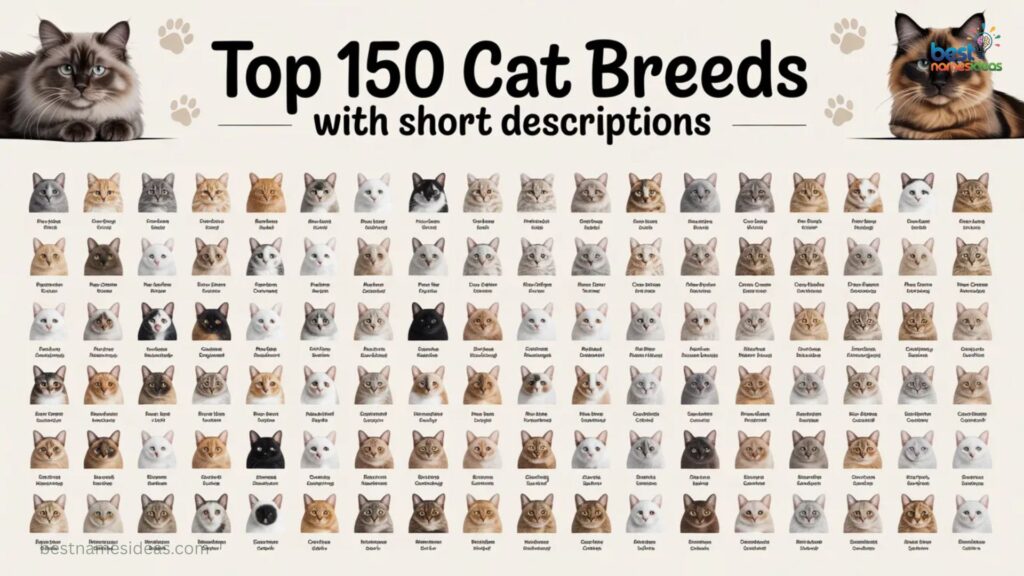
Affectionate & Social Breeds
- Abyssinian – Energetic, curious, and people-oriented; one of the oldest known cat breeds with a ticked, warm-toned coat.
- Balinese – A longhaired version of the Siamese; elegant, vocal, and deeply affectionate with a silky flowing tail.
- Birman – Silky semi-longhaired coat with white “gloves” on paws; gentle, calm, and known as the Sacred Cat of Burma.
- Bombay – Bred to look like a mini black panther; extremely affectionate, loves indoor life, and craves human attention.
- Burmese – Playful and dog-like in loyalty; constantly seeks human interaction and dislikes being left alone.
- Chartreux – France’s beloved national cat; quiet, gentle, and observant with a dense blue-gray coat and copper eyes.
- Devon Rex – Large ears, curly coat, and a mischievous personality; loves to perch on shoulders and follow owners around.
- Exotic Shorthair – A shorthaired Persian; calm, cuddly, and easygoing with a flat face and plush teddy-bear coat.
- Himalayan – A Persian-Siamese cross; affectionate and regal with colorpoint markings and long, luxurious fur.
- Javanese – Closely related to the Balinese; vocal, intelligent, and highly interactive with a slim, graceful body.
- Korat – A silver-blue Thai breed believed to bring good luck; forms extremely strong bonds with its chosen person.
- LaPerm – Distinctive wavy or curly coat; affectionate, gentle, and considered to have hypoallergenic tendencies.
- Maine Coon – The “gentle giant” of cats; dog-like loyalty wrapped in a magnificent, tufted, semi-longhaired coat.
- Manx – The tailless wonder from the Isle of Man; devoted, playful, and surprisingly dog-like in behavior.
- Munchkin – Short-legged due to a natural genetic mutation; big personality, loves to run, play, and cuddle.
- Neva Masquerade – A Siberian cat with colorpoint markings; stunning appearance, gentle nature, and low allergen levels.
- Norwegian Forest Cat – Built for Scandinavian winters with a thick double coat; majestic, independent, yet loving.
- Ocicat – Wild-spotted appearance but entirely domestic; athletic, social, and very easy to train.
- Oriental Shorthair – Siamese body type available in every coat color and pattern; extremely talkative and theatrical.
- Persian – The ultimate lap cat; luxuriously long coat, calm temperament, and a peaceful indoor personality.
- Ragamuffin – A larger version of the Ragdoll; floppy, sweet, and exceptionally gentle with children and strangers.
- Ragdoll – Goes limp when picked up, hence the name; striking blue eyes, docile nature, and enormous size.
- Russian Blue – Shy with strangers but deeply loyal to family; plush blue coat with hypoallergenic tendencies.
- Scottish Fold – Famous for folded ears and an owl-like round face; sweet, quiet, and highly adaptable.
- Selkirk Rex – Curly, plush coat like a stuffed animal; patient, loving, and tolerant — a true teddy bear cat.
- Siamese – One of the most recognized breeds; extremely vocal, demanding, affectionate, and strikingly beautiful.
- Siberian – Russia’s native forest cat; large, powerful, and surprisingly hypoallergenic with a thick triple coat.
- Singapura – One of the smallest breeds in the world; enormous eyes, playful soul, and incredibly loving nature.
- Somali – The longhaired Abyssinian; foxlike bushy tail, boundless energy, and a stunning ticked coat.
- Tonkinese – A Burmese-Siamese blend; the social butterfly of the cat world — curious, warm, and endlessly entertaining.
- Turkish Angora – One of the oldest natural breeds; elegant, loves water and play, and fiercely intelligent.
- Turkish Van – Known as the “swimming cat”; bold, energetic, and uniquely patterned with a colored tail and head.
- York Chocolate – Deep chocolate-brown longhaired coat; rare, warm-natured, and devoted to its family.
Don’t miss this Top 460+ Monkey Name Ideas: 2026 Ultimate List for Pets & Pets Lovers
Independent & Reserved Breeds
- American Shorthair – America’s working cat; highly adaptable, easygoing, and healthy with a classic look.
- British Shorthair – Round-faced and stoic; prefers observation over demands and forms quiet but deep bonds.
- Egyptian Mau – One of the fastest domestic cats; naturally spotted, loyal, and selective about who it trusts.
- Havana Brown – Rich tobacco-brown coat; reserved and quiet but forms an intensely deep bond with one person.
- Japanese Bobtail – Short pom-pom tail and a talkative nature; considered a symbol of good fortune in Japan.
- Kurilian Bobtail – Wild Russian island cat with a unique bobbed tail; independent, hardy, and an excellent hunter.
- Nebelung – A longhaired Russian Blue relative; serene, selective in affection, and strikingly beautiful.
- Pixie-Bob – Resembles a wild bobcat but is entirely domestic; quiet, loyal, and calm without being clingy.
- Sokoke – A rare African forest cat from Kenya; agile, independent, and one of the rarest breeds in the world.
- American Wirehair – A unique wiry coat mutation found only in the USA; adaptable, curious, and rare.
- Dragon Li – An ancient Chinese natural breed; fiercely independent, intelligent, and strong-willed.
- Cymric – The longhaired version of the Manx; round, tailless, gentle, and quietly devoted to its owner.
- Arabian Mau – A desert-adapted natural breed formally recognized in 2009; energetic and fiercely independent.
- Raas – A rare Indonesian island cat; large, muscular, and independent with a distinctive blue-gray coat.
- Sam Sawet – An ancient Thai breed; calm, observant, and rarely found outside Thailand.
- Aegean – A natural Greek island breed; hardy, intelligent, and nearly unknown outside of Greece.
- Brazilian Shorthair – Brazil’s first internationally recognized breed; descended from hardy street cats with a lean build.
Wild & Exotic-Looking Breeds
- Bengal – Spotted or marbled like a wild leopard; highly athletic, intelligent, curious, and full of energy.
- Chausie – Descended from jungle cats; large, highly athletic, intensely intelligent, and needs lots of stimulation.
- Savannah – A serval hybrid and the tallest domestic cat breed; exotic, adventurous, and extremely high-energy.
- Serengeti – Bred to resemble a Serval without wild blood; long-legged, athletic, and strikingly spotted.
- Toyger – Specifically bred to look like a miniature tiger; friendly, trainable, and surprisingly laid-back.
- Safari Cat – A rare Geoffroy’s cat hybrid; extremely powerful, athletic, and almost never seen as a pet.
- Pantherette – An experimental breed designed to mimic a black panther; muscular, rare, and still developing.
- Jungle Curl – A hybrid with curled ears and a wild look; energetic, rare, and still being established as a breed.
- Genetta – Bred to resemble a Genet with short legs and spots; exotic in looks, domestic in temperament.
- Kanaani – An Israeli breed developed from wild African cats; sleek, spotted, and athletic with a wild appearance.
Hairless & Unique Coat Breeds
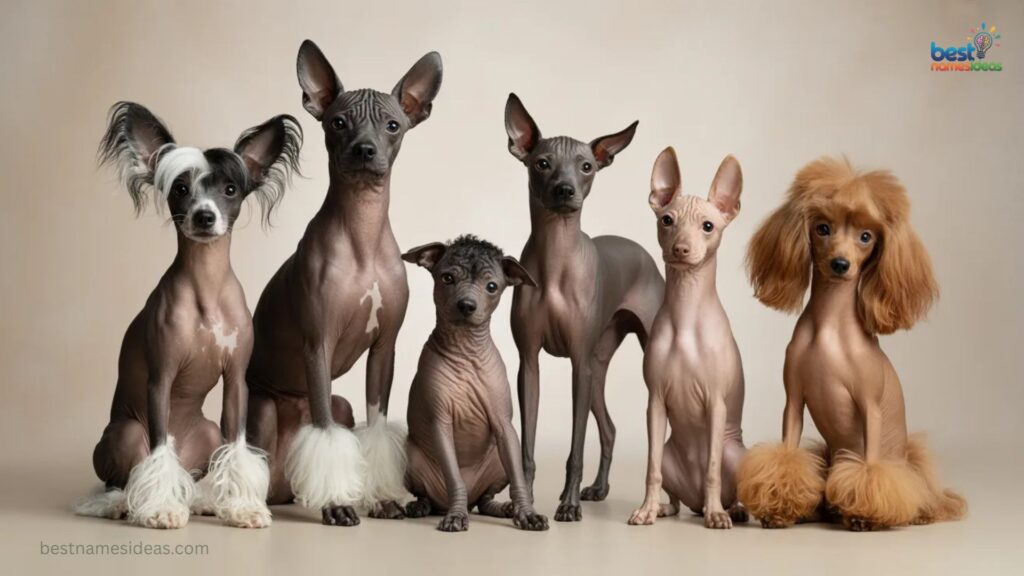
- Sphynx – The world’s most famous hairless cat; warm suede-like skin, extroverted personality, and total people-lover.
- Cornish Rex – Extremely soft wavy coat with no guard hairs; feels like warm velvet and loves to be active.
- Devon Rex – Large bat-like ears and a soft rippled coat; mischievous, warm, and incredibly people-oriented.
- Don Sphynx (Donskoy) – Russian hairless breed; deeply loyal, wrinkled, and affectionate with family.
- Peterbald – Elegant Russian hairless with a long, slim body; vocal, social, and forms intense bonds with owners.
- Bambino – A Sphynx-Munchkin cross; tiny, hairless, short-legged, and extraordinarily social and loving.
- Dwelf – Hairless, short-legged, and curled-eared; one of the most visually unusual cats in existence.
- Elf Cat – A Sphynx-American Curl cross; hairless with distinctive curled ears and a warm, playful personality.
- Lykoi – Nicknamed the “werewolf cat” for its patchy, sparse coat; surprisingly affectionate and dog-like.
- Ukrainian Levkoy – Hairless with folded ears; a rare Eastern European breed with a distinctive, alien-like look.
- Minskin – A Sphynx-Munchkin-Devon Rex blend; tiny, nearly hairless, and extraordinarily people-focused.
- Skookum – A LaPerm-Munchkin cross; short-legged with a curly coat and a bold, playful personality.
- Lambkin (Nanus Rex) – A Munchkin-Selkirk Rex cross; curly-coated, short-legged, and gentle like a little lamb.
- Tennessee Rex – A naturally occurring curly-coated American breed; rare, warm-natured, and still emerging.
- Oregon Rex – An extinct curly-coated breed that predated the Cornish Rex; documented but no longer existing.
Rare & Regional Breeds
- Aegean – Natural Greek island cat; hardy, intelligent, and almost entirely unknown outside its home country.
- American Bobtail – Wild-looking short tail; highly adaptable, dog-like in behavior, and great with families.
- American Curl – Ears curl backward uniquely; retains a kitten-like playfulness and gentle temperament for life.
- Australian Mist – Australia’s only native breed; spotted or marbled coat with a relaxed, indoor-loving nature.
- Burmilla – A Burmese-Chinchilla Persian cross; striking silver coat, sociable, and playful with a gentle side.
- California Spangled – Designed to mimic a wild spotted cat; now nearly extinct with very few individuals remaining.
- Ceylon – Sri Lanka’s native cat; fine ticked coat, slim elegant build, and rarely found outside South Asia.
- Chantilly-Tiffany – Long chocolate-brown coat; nearly extinct, quiet, and deeply affectionate with its family.
- Colorpoint Shorthair – A Siamese relative with more color variety; vocal, loving, and intensely people-focused.
- European Shorthair – Europe’s natural “standard” cat; genetically diverse, hardy, and naturally healthy.
- Foldex – An Exotic Shorthair-Scottish Fold mix; extremely round, compact, and calm with folded ears.
- German Rex – A rare wavy-coated German breed; affectionate, active, and nearly unknown outside Europe.
- Highlander – Curled ears and a short tail; large, clown-like, playful, and wonderfully entertaining.
- Khao Manee – Ancient all-white Thai royal cat; often has odd eyes and is considered a symbol of good luck.
- Kucing Malaysia – Malaysia’s proposed national breed; medium-sized, ticked coat, and naturally adapted to tropics.
- Minuet (Napoleon) – Persian-Munchkin cross; short-legged, round-faced, gentle, and extremely affectionate.
- Mekong Bobtail – Southeast Asian bobbed-tail breed; intelligent, people-oriented, and active.
- Moscow Semi-longhair – A rare Russian longhaired breed; elegant, calm, and almost exclusively found in Russia.
- Ojos Azules – Extremely rare breed known for deep blue eyes in non-pointed cats; gentle and affectionate.
- Poodle Cat (Pudelkatze) – A Scottish Fold-Devon Rex cross; curly-coated, folded ears, and still experimental.
- Seychellois – A Siamese-patterned cat with white spotting; rare, vocal, and highly interactive.
- Snowshoe – White-footed Siamese relative; affectionate, talkative, and strikingly beautiful.
- Suphalak – An ancient all-copper Thai breed; extremely rare, considered sacred, and nearly extinct today.
- Thai – The original traditional Siamese; rounder face than modern Siamese, gentle and moderately vocal.
- Thai Lilac – A lilac-coated traditional Thai breed; rare, sociable, and linked to ancient Siamese lineage.
- Tiffanie (Asian Semi-longhair) – A longhaired Burmilla; silky coat, gentle nature, and quietly affectionate.
- Ural Rex – A Russian curly-coated breed; wavy dense coat, affectionate, and still rare internationally.
- Van Kedisi – The pure white all-Turkish Van from Van Lake; blue or odd eyes and a semi-wild temperament.
- Wichien Maat – The original Thai breed ancestor of Siamese; ancient, traditional, and deeply revered in Thailand.
- Wild Abyssinian – A naturally occurring Abyssinian-type found in Singapore; not domesticated, still wild.
- Aphrodite Giant – A large natural breed from Cyprus; muscular, semi-longhaired, and gentle despite its size.
- Korn Ja – An ancient black Thai breed; sleek, rare, and considered a guardian against evil in Thai tradition.
- Si-Sawat (Korat alternate) – The traditional Thai name for the Korat; silver-blue, ancient, and deeply symbolic.
- Cam Pha – A Vietnamese highland cat; rarely documented and almost never seen outside Southeast Asia.
Popular Family & Domestic Types
- Domestic Shorthair – The world’s most common cat; genetically diverse, hardy, and endlessly varied in personality.
- Domestic Longhair – Like the shorthair but with a flowing coat; friendly, adaptable, and widely available in shelters.
- Domestic Mediumhair – Between short and long coat length; common, adaptable, and full of individual personality.
- Polydactyl (Hemingway Cat) – Extra toes due to genetic mutation; found worldwide and made famous by Ernest Hemingway.
- Tuxedo – A black-and-white color pattern seen across many breeds; often noted for bold, confident personalities.
- Tabby – The most common coat pattern in domestic cats; comes in mackerel, classic, spotted, and ticked varieties.
- Tortoiseshell – A black-and-orange mottled pattern; almost exclusively female and known for a “tortitude” personality.
- Calico – White base with orange and black patches; nearly always female, striking in appearance and feisty.
- Dilute Calico – Softer cream, gray, and white version of calico; same genetics, gentler color palette.
- Smoke-Colored – A coat where each hair is silver at the root and dark at the tip; hauntingly beautiful pattern.
- Colorpoint – Dark face, ears, paws, and tail on a lighter body; found across many breeds including Siamese and Ragdoll.
- Bicolor – Any cat with white plus one other color; common pattern seen across many breeds and mixed cats.
- Van Pattern – Color only on the head and tail, body is white; named after the Turkish Van and its distinctive look.
- Spotted Tabby – Tabby pattern broken into spots; seen in Ocicats, Bengals, and many domestic mixed breeds.
- Mackerel Tabby – Classic striped tabby resembling a tiger; the most common tabby pattern worldwide.
- Classic Tabby (Blotched) – Bold swirling marble patterns on the sides; common in American and British Shorthairs.
- Ticked Tabby – No stripes on body, only banded hairs; the Abyssinian and Somali are the best examples.
- Silver Tabby – White undercoat with dark tabby markings; one of the most visually striking tabby varieties.
- Golden Tabby – Warm golden undercoat with rich brown markings; rare and prized in Persian and British Shorthairs.
- Patched Tabby (Torbie) – A tortoiseshell cat with tabby markings; combines two patterns in one striking coat.
Emerging, Experimental & Newly Recognized Breeds
- Floppy Cat – An ultra-relaxed Ragdoll variant; still being established with extremely docile, floppy temperament.
- Tasman Manx – A longhaired Manx variant found in Australia and New Zealand; rare and still being documented.
- Tortoiseshell Manx – A Manx cat with tortoiseshell coloring; tailless, bold, and fiercely loyal.
- Seychellois Longhair – Longhaired version of the Seychellois; rare, vocal, and still developing as a breed standard.
- Russkaya Poroda – A proposed Russian natural breed; similar to the Russian Blue but with broader type standards.
- Peke-Face Persian – An ultra-flat-faced Persian variant; extremely round face, very calm, but prone to breathing issues.
- Moscow Longhair – Russia’s emerging longhaired natural breed; thick coat, calm temperament, and rarely exported.
- Asian Smoke – Part of the Asian group; dark smoke-colored coat with Burmese ancestry and a sleek, social nature.
- Asian Tabby – A tabby-patterned member of the British-bred Asian group; playful, friendly, and moderately active.
- Asian Self – Solid-colored Asian group member; available in many colors with the sociable Burmese temperament.
- Ojos Azules Longhair – The longhaired version of the Ojos Azules; exceptionally rare with vivid blue eyes.
- Pantherette Longhair – Experimental longhaired black panther-mimicking breed; still in early development stages.
- Skogkatt – The Norwegian term for the Norwegian Forest Cat; used regionally but refers to the same magnificent breed.
- Sam Sawet Revival – Modern Thai breeders working to formally document and revive this ancient solid-colored breed.
- Suphalak Revival – Conservation efforts in Thailand to restore the nearly extinct copper-toned ancient royal breed.
- British Longhair – A longhaired British Shorthair; same calm, round personality wrapped in a plush, flowing coat.
- Highlander Longhair – Longhaired version of the Highlander; curled ears, short tail, and a theatrical personality.
- Minuet Longhair – The longhaired Napoleon; Persian-Munchkin cross with an even more striking fluffy appearance.
- Bambino Longhair – An emerging longhaired Bambino variant; tiny, nearly hairless body with wisps of soft fur.
- Dwelf Longhair – Experimental longhaired Dwelf; hairless-eared with tufts, extremely rare and still developing.
Top Cat Breeds: Price and Lifespan at a Glance
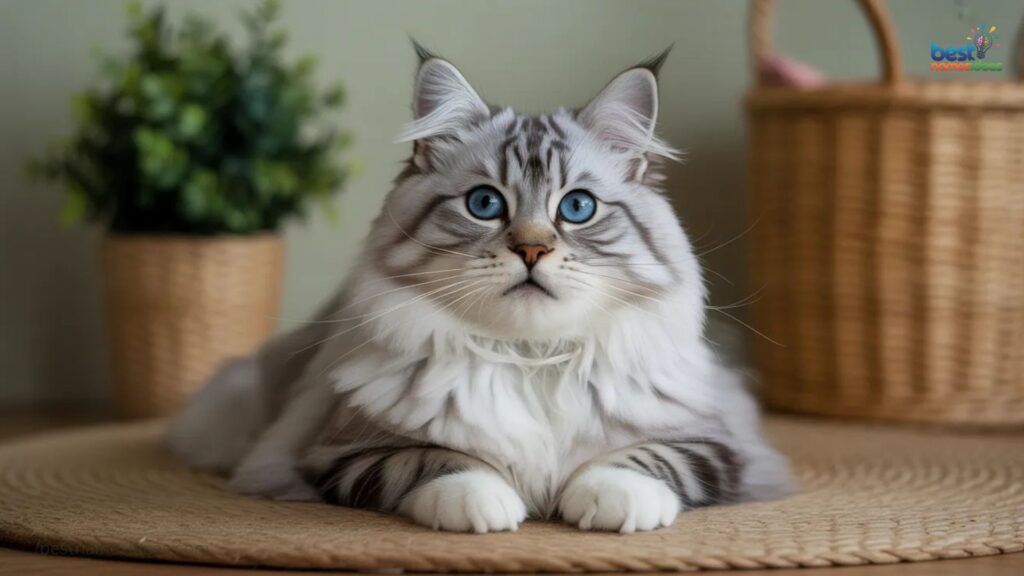
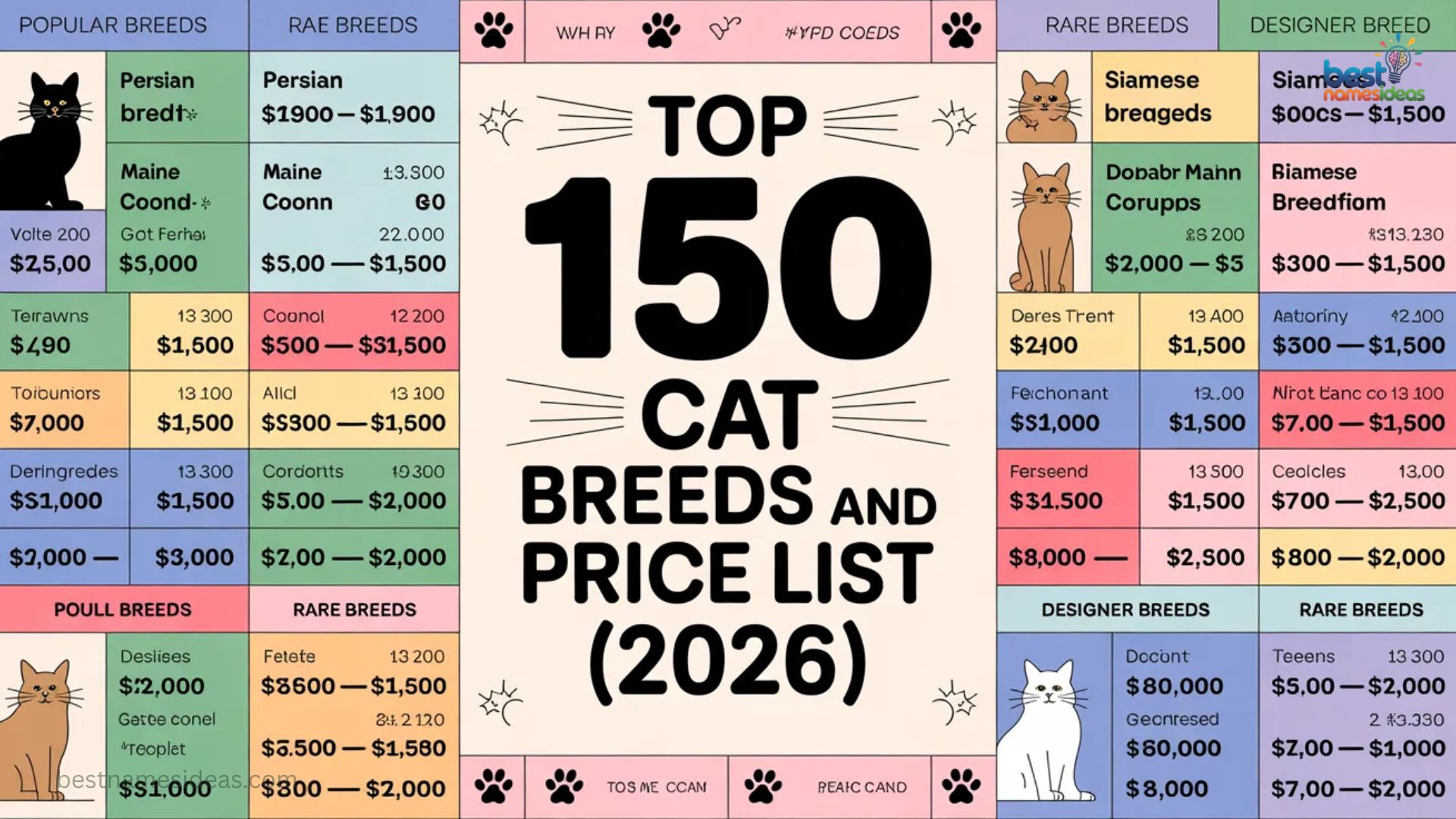
Price varies enormously based on breeder reputation, location, pedigree, and demand. Here is a comprehensive overview of the most popular breeds:
| Breed | Price Range (USD) | Average Lifespan |
| Savannah (F1) | $10,000 – $25,000 | 12–20 years |
| Bengal | $1,500 – $10,000 | 12–16 years |
| Persian | $500 – $5,500 | 12–17 years |
| Maine Coon | $800 – $2,000 | 12–15 years |
| Ragdoll | $800 – $2,500 | 12–17 years |
| Sphynx | $1,500 – $3,000 | 8–14 years |
| Scottish Fold | $1,000 – $3,000 | 11–14 years |
| Siamese | $400 – $1,000 | 15–20 years |
| Russian Blue | $400 – $2,000 | 15–20 years |
| British Shorthair | $800 – $2,500 | 12–20 years |
| Norwegian Forest Cat | $600 – $1,500 | 14–16 years |
| Himalayan | $500 – $1,300 | 15–17 years |
| Birman | $400 – $2,000 | 12–16 years |
| Abyssinian | $500 – $1,200 | 9–15 years |
| Devon Rex | $600 – $1,800 | 9–15 years |
| Burmese | $500 – $1,500 | 16–18 years |
| Exotic Shorthair | $1,200 – $2,200 | 12–15 years |
| Cornish Rex | $700 – $1,500 | 11–15 years |
| Turkish Angora | $500 – $1,000 | 12–18 years |
| American Shorthair | $500 – $800 | 15–20 years |
| Munchkin | $500 – $1,500 | 12–15 years |
| Chartreux | $500 – $1,500 | 12–15 years |
| Ocicat | $800 – $1,500 | 12–18 years |
| Tonkinese | $600 – $1,200 | 15–18 years |
| Somali | $1,000 – $1,500 | 11–16 years |
| LaPerm | $300 – $600 | 10–15 years |
| Selkirk Rex | $600 – $1,500 | 14–16 years |
| Ragamuffin | $800 – $1,500 | 12–16 years |
| Siberian | $1,200 – $2,000 | 11–18 years |
| Bombay | $500 – $700 | 15–20 years |
| Shelter/Mixed Breed | $0 – $150 | 15–20 years |
Why You Should Learn About Cat Breeds
There’s a common misconception that “a cat is just a cat.” Many people adopt the first adorable face they see — and then discover six months later that their high-energy Bengal is dismantling the furniture, or their talkative Siamese is waking the whole house at 3 a.m.
Dr. Marty Becker, a well-known veterinarian and author, puts it this way: “Understanding your cat’s breed isn’t just about bragging rights at the cat show — it’s about setting up both you and your pet for a lifetime of happiness together.”
Learning about cat breeds helps you:
Match energy levels. A family with young children thrives with a Maine Coon or Ragdoll. A quiet retiree might prefer a Persian or British Shorthair. An active, curious person might love the challenge of a Bengal.
Anticipate health issues. Persian cats are prone to respiratory problems due to their flat faces. Scottish Folds can develop joint and cartilage problems. Maine Coons have a genetic predisposition to hypertrophic cardiomyopathy (HCM). Knowing this in advance means you can budget for healthcare and watch for symptoms.
Plan your budget. Veterinary care for a Sphynx — who needs regular skin cleaning and is cold-sensitive — differs vastly from care for a hardy American Shorthair.
Understand grooming demands. A Norwegian Forest Cat or Himalayan requires daily brushing to prevent matting. A Rex breed or Sphynx needs weekly baths.
Prepare for personality. Some cats are lap cats; others are lone wolves who appreciate space. Some are intensely vocal; others are nearly silent.
Fascinating Cat Facts About Different Types of Cats
The animal world has given us some remarkable feline varieties. Here are some standout facts:
The Maine Coon holds the record for the longest domestic cat ever recorded — a specimen named Stewie measured 48.5 inches from nose to tail.
The Savannah cat can jump up to 8 feet high from a standing position — a remarkable feat that reflects its serval ancestry.
The Siamese is one of the oldest naturally occurring cat breeds, with records tracing back to 14th-century Thailand (formerly Siam).
The Sphynx isn’t actually hairless — it has a thin layer of downy fuzz, like a peach. This gives its skin a warm, suede-like feel.
The Manx cat from the Isle of Man has a natural genetic mutation that causes its taillessness. The same gene, in double doses, is lethal — which is why Manx cats are never entirely tailless in their gene pool.
The Turkish Van is known as the “swimming cat” because it genuinely loves water — an unusual trait in the feline world.
Polydactyl cats (cats with extra toes) were famously beloved by author Ernest Hemingway. Today, dozens of polydactyl cats still live at his former Florida home, which is now a museum.
Bengals are one of the only domestic cat breeds that retain a water-resistant coat — another gift from their wild leopard cat ancestry.
Choosing a Cat Breed: A Personal Journey
Sarah had always wanted a cat. When she walked into a shelter and saw a long-haired, fluffy creature with blue eyes staring back at her, she was immediately smitten. She adopted the cat — later identified as a Himalayan mix — without researching the breed at all.
Three months later, Sarah was spending an hour each day brushing out mats, dealing with her cat’s respiratory snuffling, and struggling with a litter box that needed cleaning twice daily because of the breed’s sensitive digestion. She loved her cat deeply — but she wished someone had told her what to expect.
Stories like Sarah’s are common. To avoid similar surprises, ask yourself these key questions before choosing a breed:
How much time do I have? High-maintenance breeds like Persians and Sphynxes need daily grooming or bathing. Active breeds like Bengals need at least an hour of interactive play every day.
What’s my living situation? Small apartments suit quiet, calm breeds like the Russian Blue or British Shorthair. Larger homes accommodate energetic breeds like the Maine Coon or Savannah.
Do I have allergies? Completely hypoallergenic cats don’t exist, but breeds like the Siberian, Balinese, and Russian Blue produce lower levels of the Fel d 1 protein — the main allergen in cat saliva.
Am I home often? Social cats like the Siamese or Burmese suffer from loneliness. If you work long hours, consider getting two cats, or choose a more independent breed.
What’s my budget? Factor in not just the purchase price but also food quality, grooming, veterinary care, pet insurance, and toys. A Savannah cat costs thousands upfront — and its care costs are equally significant.
Do I have children or other pets? Gentle giants like the Maine Coon and Ragdoll are famous for tolerating — even enjoying — the company of children and dogs. More sensitive breeds may struggle in busy households.
The Hidden Costs of Cat Ownership by Breed
Many buyers focus exclusively on the purchase price of a cat and overlook ongoing costs. Here’s a general breakdown:
Annual food costs range from $200 for standard kibble to over $1,000 for raw or prescription diets required by some breeds.
Grooming can cost $0 (if you do it yourself for a shorthair) to $600+ per year for professional grooming of a Persian or Maine Coon.
Veterinary costs average $300–$500 per year for a healthy cat, but breed-specific conditions can drive this into thousands. Sphynxes often need cardiac monitoring; Scottish Folds may need joint care; Persians may need breathing support.
Pet insurance averages $20–$60 per month, and for exotic or high-value breeds, it’s strongly recommended.
Lifespan consideration is also financially important. A Siamese or Russian Blue that lives 18–20 years represents a significant two-decade financial commitment.
Conservation of Rare Breeds: A Growing Concern
Some of the world’s most beautiful and unique cat breeds are dangerously close to extinction. The California Spangled, once promoted as an alternative to owning a wild cat, now has fewer than a few hundred documented individuals worldwide. The Chantilly-Tiffany, a gorgeous chocolate-brown longhaired breed from North America, nearly vanished completely in the 1990s and is still considered rare today.
Breeders and cat organizations around the world are working to preserve these genetic lines. Supporting reputable breeders who participate in conservation programs is one way enthusiasts can help protect feline diversity.
Ethics of Cat Breeding: What Every Buyer Should Know
The cat breeding industry, like all pet industries, has a spectrum of quality. On one end are passionate, ethical breeders who health-test their cats, limit litter frequency, socialize kittens carefully, and provide lifelong support to buyers. On the other end are “kitten mills” — operations that prioritize profit over welfare.
Signs of a responsible breeder include:
- Health certificates and genetic testing for breed-specific conditions
- Clean, spacious environments for cats
- Willingness to answer questions and allow visits
- A contract that includes a return/rehome clause
- Kittens not sold before 12–16 weeks of age
The global cat welfare community also strongly encourages adoption. Millions of cats — including purebreds — wait in shelters for loving homes. Websites dedicated to breed-specific rescues can help you find your dream breed without supporting irresponsible breeding practices.
Frequently Asked Questions
What is the most expensive cat breed in the world?
The Savannah cat — particularly the F1 generation (first-generation serval hybrid) — is widely considered the most expensive domestic cat breed. Prices for F1 Savannahs can reach $25,000 or more from reputable breeders. The Bengal, Sphynx, and Peterbald also rank among the pricier breeds.
Which cat breed lives the longest?
Siamese and Burmese cats consistently rank among the longest-lived breeds, often reaching 18–20 years or more. The Balinese and Russian Blue are also known for their longevity. Mixed-breed cats, benefiting from genetic diversity, also tend to have long lifespans — often 15–20 years.
Are more expensive cat breeds healthier?
Not necessarily. Price reflects rarity, demand, and appearance — not health. In fact, some of the most expensive breeds carry significant genetic health risks. Persians and Exotic Shorthairs are prone to brachycephalic (flat-faced) breathing issues. Scottish Folds can develop painful osteochondrodysplasia. Mixed-breed cats often enjoy better overall health due to genetic diversity.
What is the best cat breed for families with children?
The Maine Coon, Ragdoll, and Birman are consistently recommended for families with children. They are patient, gentle, and tolerant of handling. The Burmese and Tonkinese are also excellent choices for active, social families.
Which cat breeds are best for apartment living?
British Shorthairs, Russian Blues, Persians, and Scottish Folds adapt beautifully to apartment life. They are calm, relatively quiet, and don’t require large territories. Avoid high-energy breeds like Bengals or Savannahs in small spaces without significant enrichment.
What cat breeds are considered hypoallergenic?
No cat is 100% hypoallergenic, but breeds that produce less of the Fel d 1 allergen include the Siberian, Balinese, Russian Blue, Bengal, and Cornish Rex. Hairless breeds like the Sphynx are often recommended for allergy sufferers, though they still produce allergens through skin oils and saliva.
How do I find a reputable cat breeder?
Start with organizations like the Cat Fanciers’ Association (CFA) or The International Cat Association (TICA), both of which maintain breeder registries. Ask for references from previous buyers, request health certificates, and always visit the breeding facility in person if possible. Never purchase from a breeder who ships kittens without allowing any interaction or questions.
Is it better to adopt or buy a cat?
Both choices have merit. Adoption saves a life, is cost-effective, and can yield a wonderfully loving companion. Buying from a reputable breeder gives more predictability in terms of temperament, size, and health. Many shelters also receive surrendered purebreds — so adoption and breed preference aren’t mutually exclusive.
Conclusion:
The world of cat breeds is a remarkable tapestry of history, culture, science, and pure love. From the snow-white Turkish Van that swims in mountain lakes, to the velvet-skinned Sphynx that craves your body heat on a winter night, to the spotted Bengal that turns your living room into a wild adventure — every breed carries its own story, its own charm, and its own unique way of embedding itself into your heart.
Choosing a cat is not just a transaction. It is the beginning of a relationship that, for many breeds, can last nearly two decades. The investment — financial, emotional, and temporal — is real. But so is the reward.
Armed with the knowledge in this guide, you are no longer choosing blindly. You know the questions to ask, the costs to expect, the lifespans to plan for, and the personality traits to embrace. Whether you’re drawn to the regal silence of a Persian, the chatty devotion of a Siamese, or the wild-hearted energy of a Bengal, your perfect companion is out there.
Take your time. Do your research. Visit shelters. Ask questions. And when that purring, wide-eyed creature finally curls up in your lap for the first time — you’ll know every moment of preparation was worth it.

Meet Mr. Yaseen, the creative mind who turns simple words into powerful identities. With a sharp eye for trends and a passion for meaningful naming, he helps people discover names that don’t just sound good—but truly stand out and leave a lasting impression.
From catchy brand names to unique usernames and meaningful identities, Mr. Yaseen blends creativity with strategy to deliver names that connect, inspire, and succeed. His mission with BestNamesIdeas.com is clear: to make finding the perfect name fast, fun, and unforgettable for everyone.